
Meet the Sikorsky MH-53E Sea Dragon
US Navy BUNO - 163066
History
Sikorsky MH-53E Sea Dragon – BuNo 163066
One of the largest and most imposing aircraft in the Valiant Air Command collection, Sikorsky MH-53E Sea Dragon Bureau Number 163066 represents nearly four decades of U.S. Navy airborne mine-countermeasures and heavy-lift operations.
Built by Sikorsky as construction number 65-559, 163066 belonged to the relatively small fleet of MH-53E Sea Dragons developed specifically for the United States Navy. The MH-53E entered Navy service during the 1980s and became the service's primary helicopter for Airborne Mine Countermeasures (AMCM) while simultaneously providing an extraordinary heavy-lift capability.
The MH-53E Sea Dragon
Developed from Sikorsky's H-53 family, the MH-53E was designed to tow specialized mine-countermeasure equipment through the water while maintaining the precision necessary to locate, sweep and neutralize naval mines.
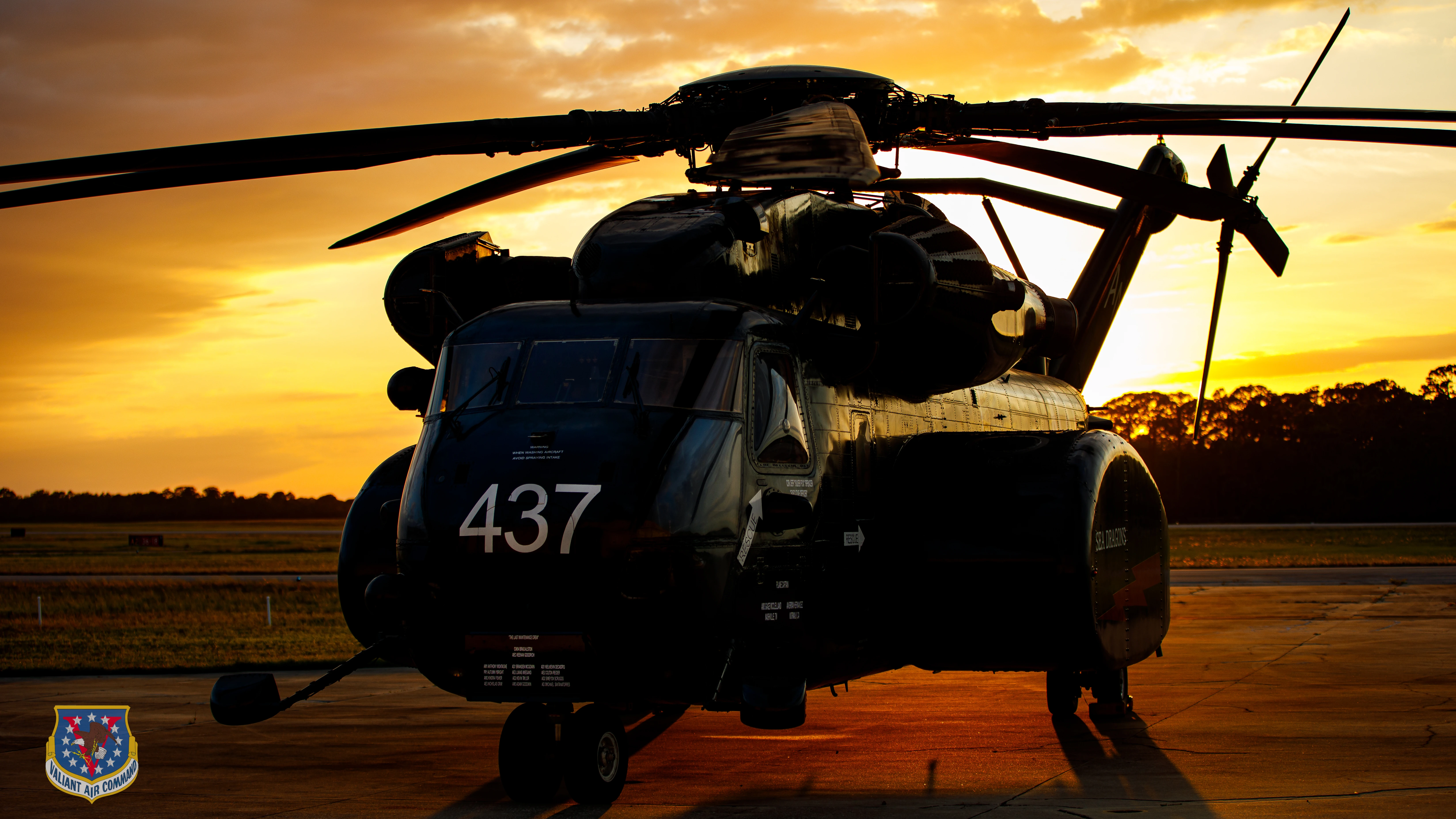
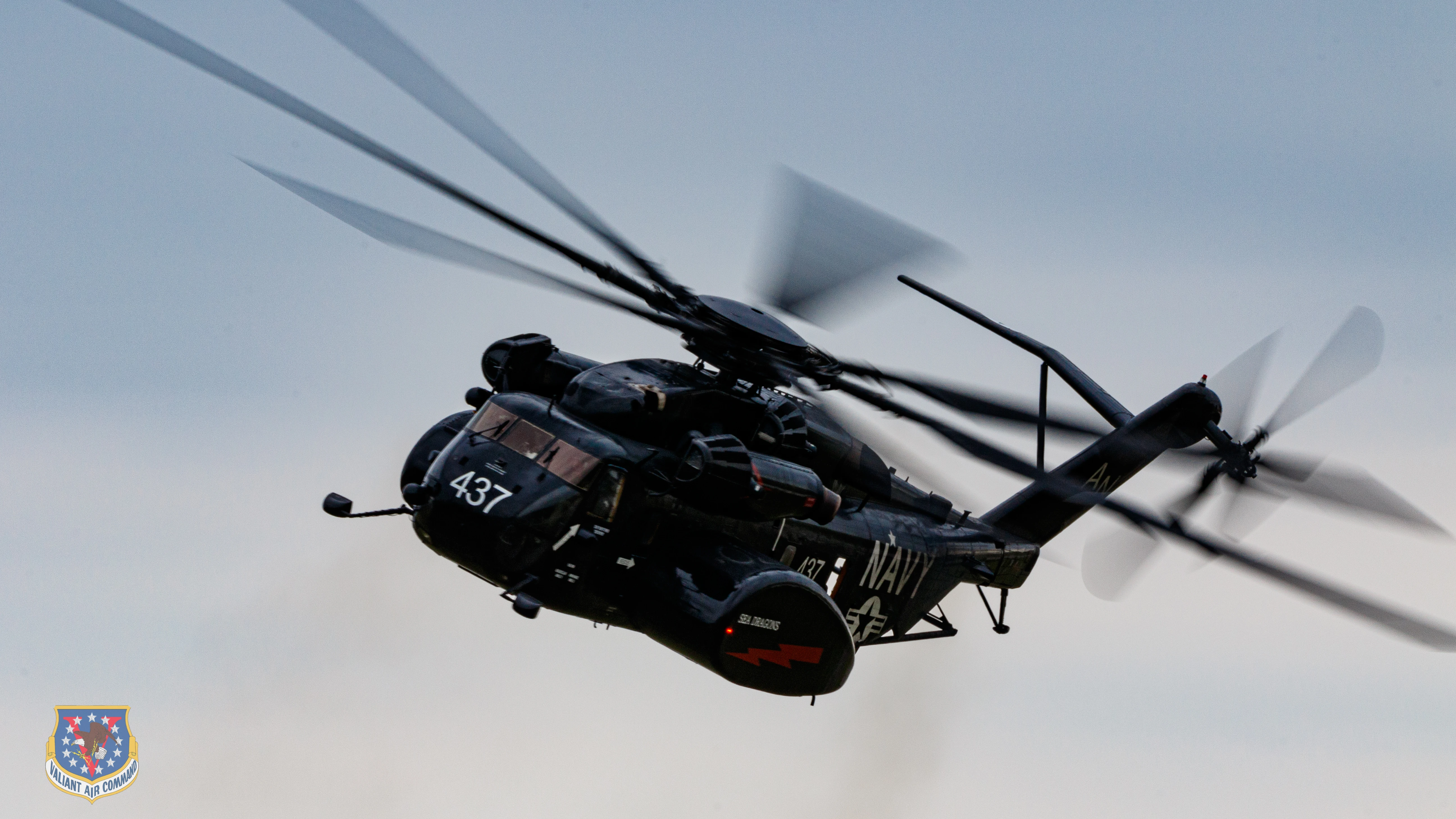
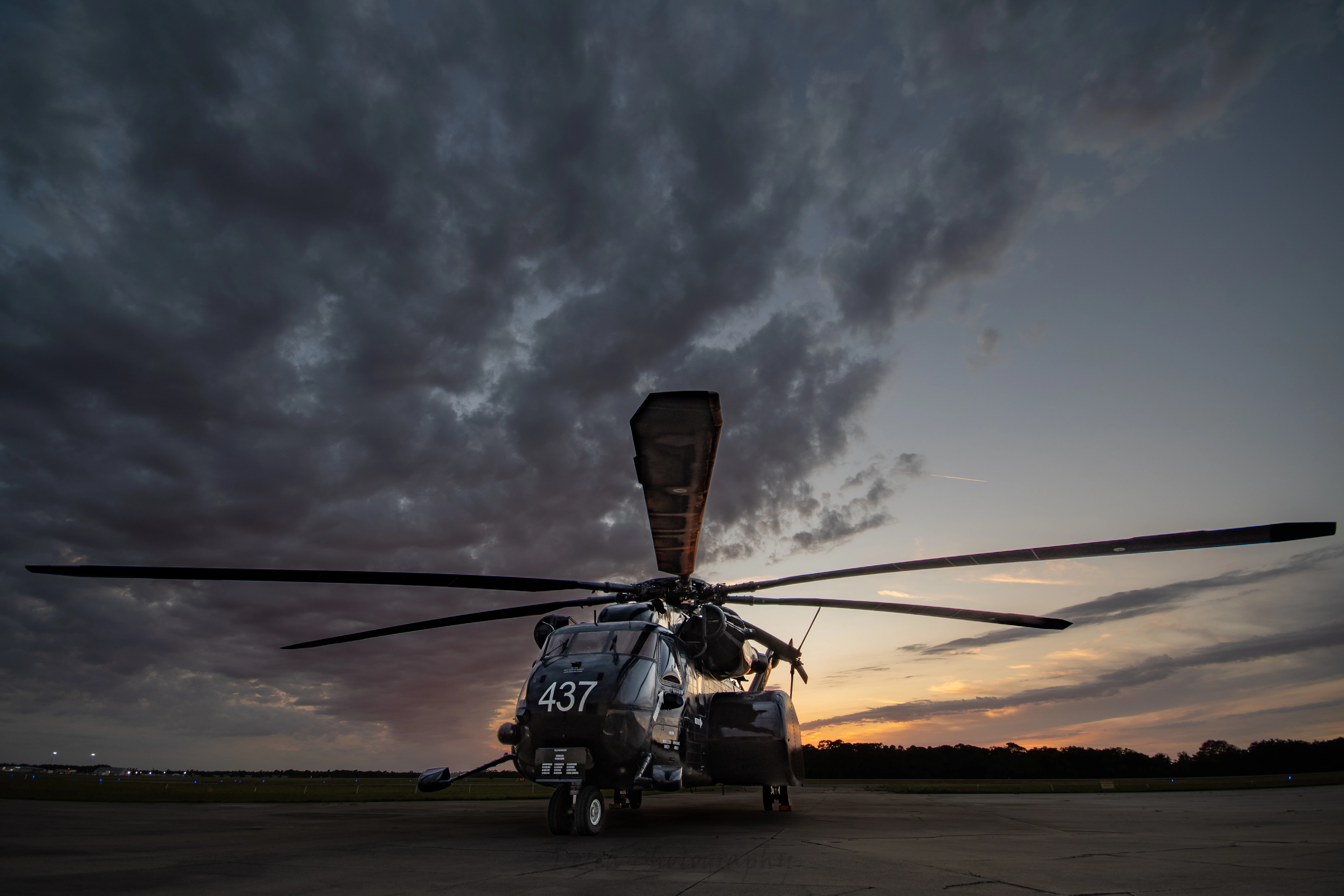
Its distinctive appearance was dominated by its enormous seven-bladed main rotor, external fuel sponsons and three General Electric T64 turboshaft engines.
For mine-countermeasure missions, the Sea Dragon could tow equipment designed to detect or trigger magnetic, acoustic and other types of naval mines. The aircraft could also perform heavy-lift missions, carrying equipment and cargo internally or beneath the helicopter as an external load. The Navy additionally used the type for logistical support, disaster relief and other missions requiring its exceptional lifting capability.
This combination made the MH-53E considerably more than a minesweeping helicopter. It became one of the Navy's most useful heavy-lift assets.
HM-14 “Vanguard”
A significant portion of 163066's documented operational career was spent with Helicopter Mine Countermeasures Squadron FOURTEEN – HM-14 “Vanguard.”
HM-14 was one of the U.S. Navy's principal airborne mine-countermeasures squadrons and operated the MH-53E from Naval Station Norfolk, Virginia.
Overseas Operations
The aircraft was photographed at Palma de Mallorca, Spain, on June 6, 2003, providing firm evidence of 163066 operating overseas with HM-14. Contemporary records identify the aircraft as construction number 65-559 and carrying HM-14/Det.1 markings.
HM-14's Sea Dragons operated around the world. The squadron supported mine-countermeasure operations as well as heavy-lift and humanitarian missions, with detachments deployed far from their Norfolk home base.
HM-14 eventually flew its final squadron flights in December 2022, as the Navy began winding down the MH-53E community after decades of service.
The transition of aircraft such as 163066 to HM-12 followed the gradual contraction of the Navy's MH-53E force as operational squadrons began to disestablish.
From HM-14 to HM-12
Following its time with HM-14, 163066 transferred to Helicopter Mine Countermeasures Squadron TWELVE – HM-12 “Sea Dragons.”
HM-12 historically served as the Navy's MH-53E Fleet Replacement Squadron, responsible for training pilots and aircrewmen to operate the enormous helicopter and employ its airborne mine-countermeasure systems.
The squadron's missions also included supporting Vertical Onboard Delivery and expeditionary heavy-lift operations.
With HM-12, 163066 received the side number 437 and became recognizable as Dragon 437
More Than Minesweeping
Although designed around the airborne mine-countermeasures mission, the Sea Dragon's enormous lifting capacity meant that crews routinely used the MH-53E for missions extending well beyond minesweeping.
The aircraft could move equipment, supplies and personnel to areas difficult for conventional transports to reach.
The Navy has specifically highlighted the MH-53E community's work transporting mail and cargo in the Persian Gulf, supporting hurricane and disaster-relief operations and conducting aerial firefighting using large Bambi Buckets suspended beneath the helicopter.
The Sea Dragon therefore became both a strategic mine-countermeasure asset and a remarkably versatile heavy-lift helicopter.
While these missions illustrate what aircraft such as 163066 were designed and tasked to perform, they should not automatically be attributed to this individual airframe without additional aircraft logs or squadron records.
The Final Flight
After decades of Navy service, BuNo 163066 was selected for preservation rather than disposal.
On October 16, 2024, an HM-12 crew delivered the Sea Dragon to Titusville, Florida, completing the aircraft's final journey into retirement.
The helicopter arrived at the Valiant Air Command Warbird Museum as part of an official induction involving HM-12 and the National Naval Aviation Museum.
The arrival represented more than the retirement of a single helicopter. It marked the preservation of an entire chapter of U.S. Navy aviation history.
At the time of the ceremony, the Navy described the aircraft as a representation of nearly four decades of MH-53E service and noted that the Sea Dragon fleet was entering the final stages of its operational life.
A Rare Survivor
BuNo 163066's preservation is particularly significant because very few MH-53E Sea Dragons have entered museum collections.
During its October 2024 induction, the Navy described the aircraft as the first, and potentially only, MH-53E to be displayed in a museum setting.
The helicopter was transferred to the National Naval Aviation Museum collection and placed on permanent loan to the Valiant Air Command Warbird Museum in Titusville.
Today, 163066 remains preserved in the markings associated with its final service with HM-12, carrying the number 437.
Preserving the Sea Dragon Legacy
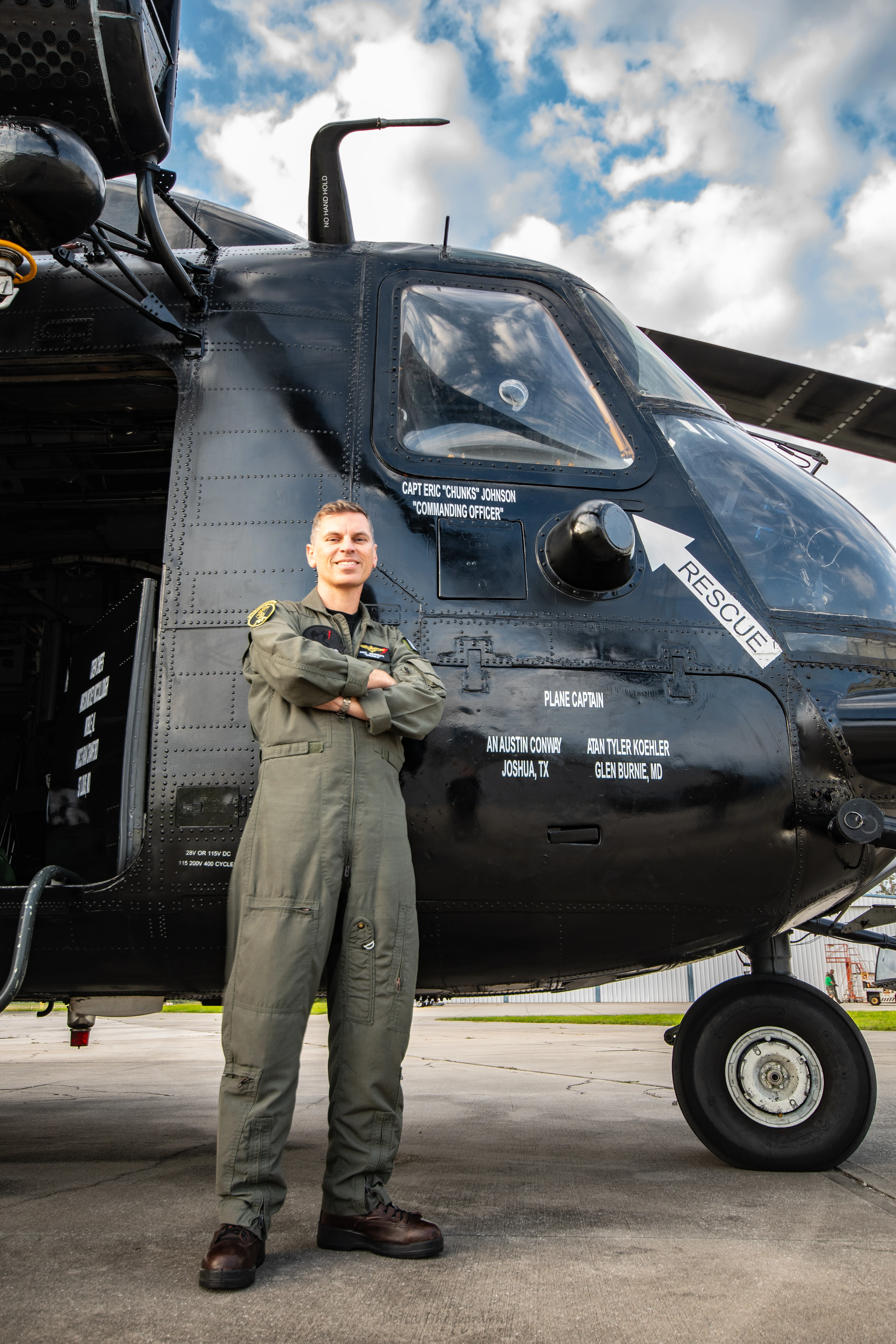
The size of the MH-53E makes it impressive simply to stand beside, but BuNo 163066 represents much more than the largest helicopter in the museum.
It preserves the story of a relatively little-known but vitally important area of naval aviation: the crews tasked with ensuring that mines could not close ports, shipping lanes and strategic waterways to U.S. and allied vessels.
From its documented service with HM-14 “Vanguard” as BJ-542, through its final years with HM-12 as Dragon 437, to its final flight into Titusville on October 16, 2024, BuNo 163066 represents decades of service by the pilots, aircrewmen and maintainers of the Navy's airborne mine-countermeasures community.
Its preservation at Valiant Air Command ensures that the extraordinary story of the MH-53E Sea Dragon — and the people who kept these enormous helicopters flying around the world — will continue to be told long after the type's operational career has ended.
TLDR; Three Engines, Seven Blades, One Sea Dragon
MH-53E Sea Dragon BuNo 163066 served the U.S. Navy as an airborne mine-countermeasures and heavy-lift helicopter. Construction number 65-559, it is documented serving with HM-14 “Vanguard” as BJ-542, including overseas operations in Spain in 2003, before later transferring to HM-12 “Sea Dragons” and becoming Dragon 437. On October 16, 2024, an HM-12 crew flew 163066 to Titusville for its final flight, where it was inducted into the National Naval Aviation Museum collection and placed on permanent loan to the Valiant Air Command Warbird Museum. It is one of the very few MH-53E Sea Dragons preserved for public display.
Gallery



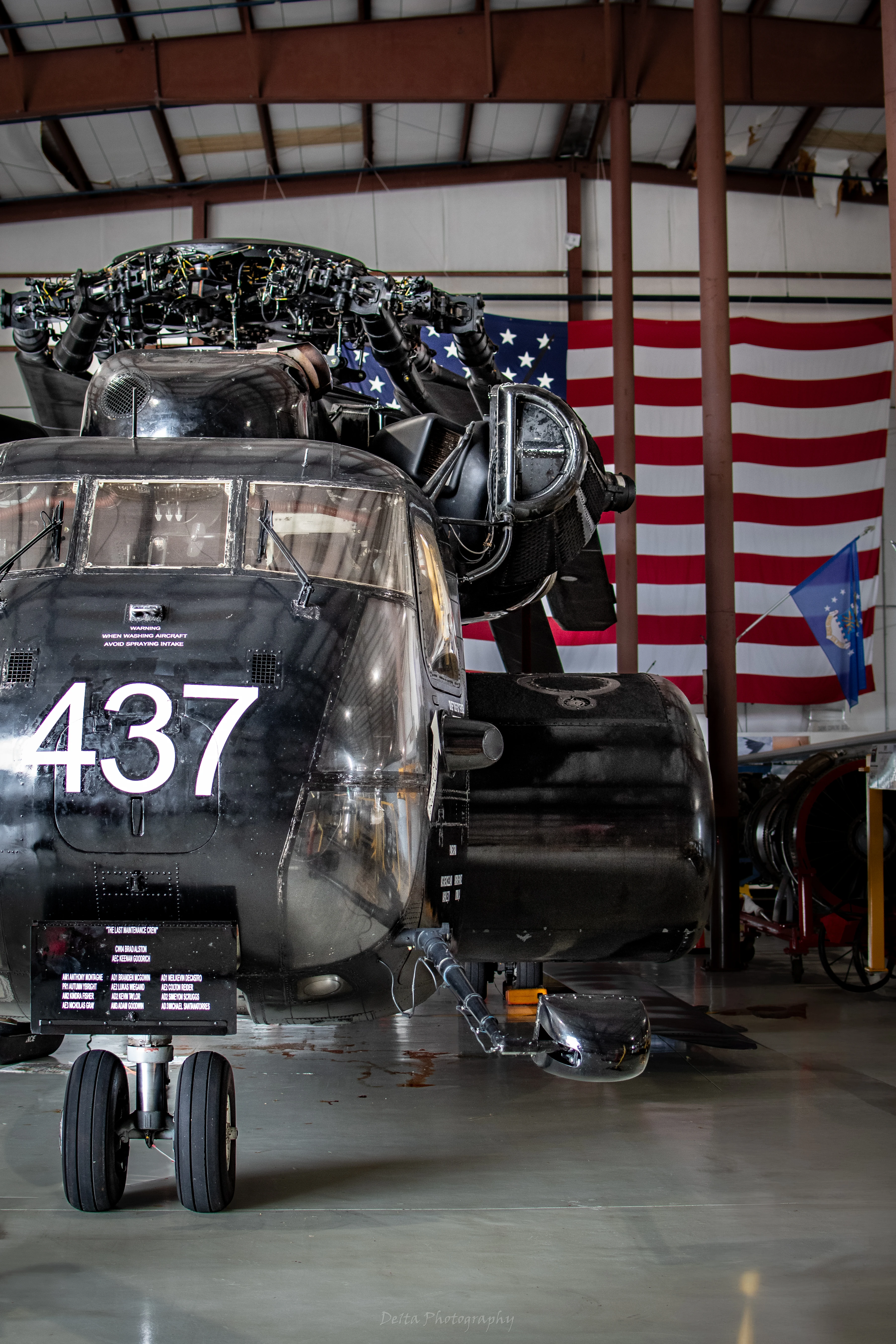
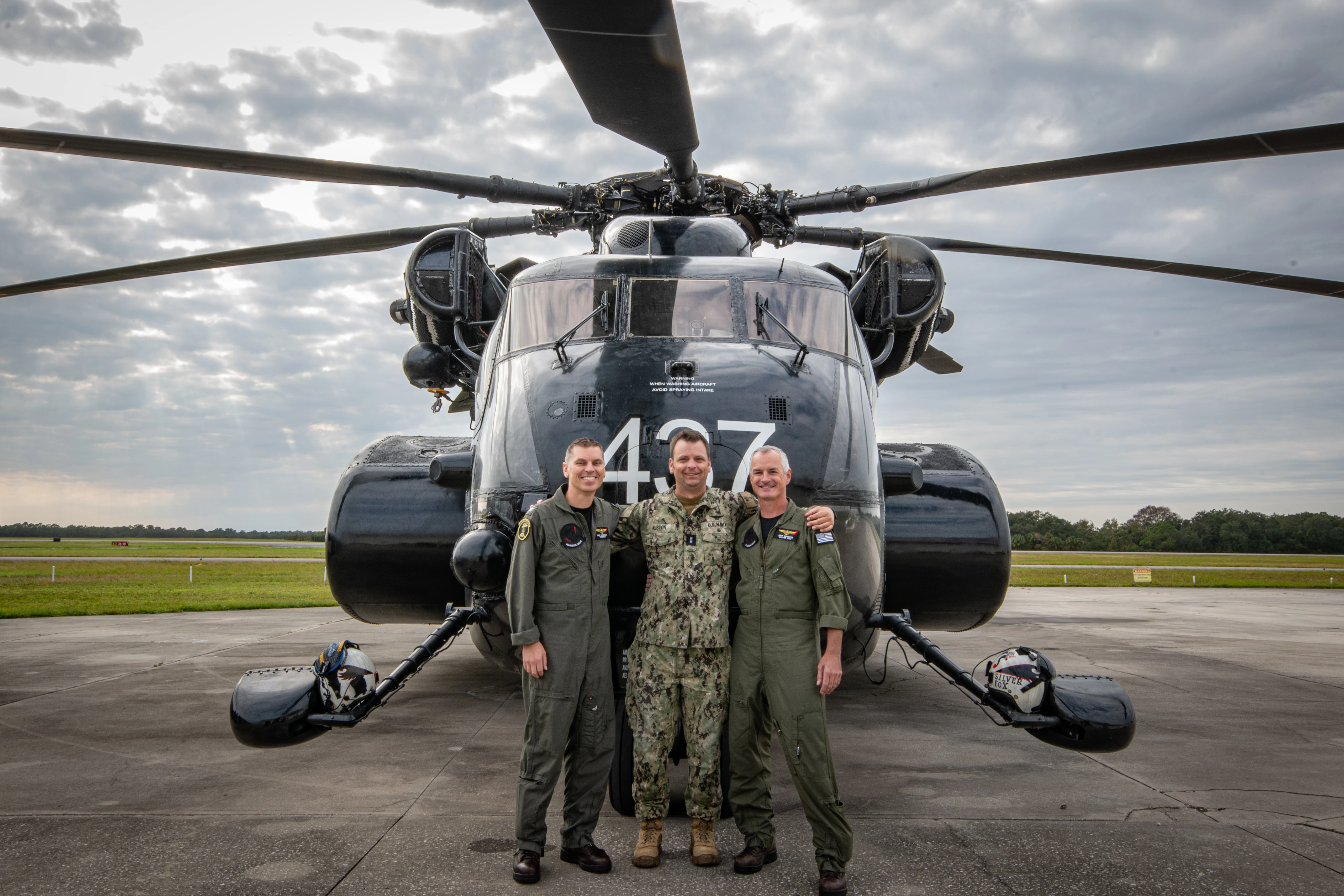
“This aircraft on loan from the National Naval Aviation Museum on behalf of the Navy History and Heritage Command”