Meet the English Electric TT.18 Canberra
Serial Number - WJ574
History
English Electric TT.18 Canberra - Serial WJ574
Cold War Reconnaissance, Royal Navy Target Tug, and Survivor: The English Electric Canberra WJ574
English Electric Canberra WJ574 was built as a Canberra B.2 bomber by Handley Page under subcontract for English Electric. Formally delivered to the Royal Air Force on June 9, 1953 (Construction No. HP/HI/161B), WJ574 bypassed a conventional bomber career to enter one of the most secretive realms of early Cold War aviation.
The Cold War, Reconnaissance, and No. 540 Squadron
Instead of a standard bomber squadron, WJ574 was assigned to No. 540 Squadron RAF at RAF Wyton. The squadron was a specialist photographic-reconnaissance unit transitioning to the purpose-built Canberra PR.3. Due to production delays with the PR.3, standard B.2 bombers like WJ574 were adapted for reconnaissance and crew training. WJ574 was fitted with a forward-facing F.95 camera, allowing it to undertake limited photographic duties.
It is here that WJ574 becomes connected to one of the most mysterious missions of the Cold War.
The Kapustin Yar Mystery (August 1953)
By 1953, Western intelligence agencies were desperate for information on the Soviet Union's missile test complex at Kapustin Yar. British planners decided to utilize the Canberra’s exceptional altitude, speed, and range to penetrate Soviet airspace. CIA historical materials confirm that an RAF Canberra did overfly the Soviet Union in 1953 to photograph the facility, sustaining damage from Soviet interceptors before escaping. However, the British government has never publicly released the complete official account identifying the specific aircraft and crews involved.
The surviving Operational Record Book for No. 540 Squadron contains extraordinary entries for August 27 and 28, 1953. Two Canberras—WJ574 and WH726—were ordered to conduct "long-range sorties as briefed." Unusually, these aircraft carried three crewmen instead of the standard two:
-
August 27: WJ574 carried Flt. Lt. Garside, Flt. Lt. Shield, and Flt. Sgt. Wigglesworth.
-
August 28: Flt. Lt. Reeve replaced Shield alongside Garside and Wigglesworth.
Because these recorded flights lasted only a little over two hours, they were likely not the actual penetration flight into the Soviet Union. However, they occurred at the exact time of the Kapustin Yar operation. It is highly plausible—and frequently asserted by historians—that WJ574 acted as a chase aircraft, support ship, or airborne spare for the actual mission aircraft (potentially WH726 or a specially modified Canberra flying out of Giebelstadt, Germany).
While its exact role in the mission remains classified, it is an undeniable historical fact that WJ574 was deeply involved in No. 540 Squadron’s highly classified reconnaissance activities during this critical period.
Return to Bomber Duties and a New Life
During 1954, WJ574 transferred to No. 57 Squadron RAF to serve as a conventional bomber, a role it maintained until it was sold back to the British Aircraft Corporation (BAC) on December 5, 1969. Placed in storage under the temporary registration G-27-182, the aircraft seemed destined for the scrapyard.
Instead, it was selected for an entirely new career: a Canberra TT.18 target tug.
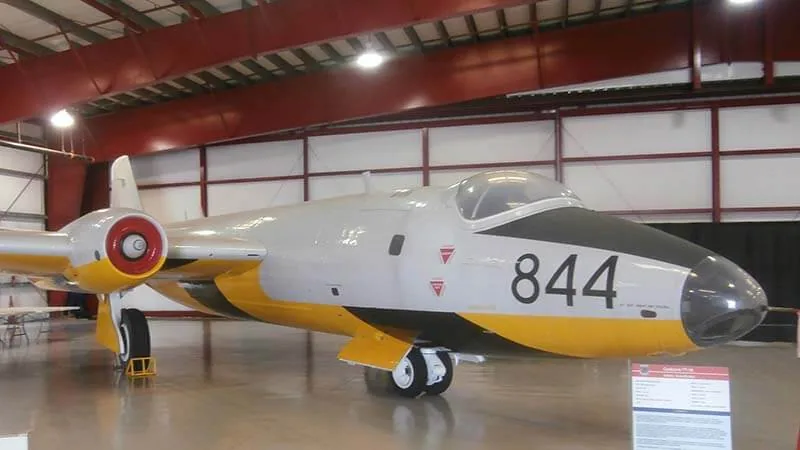
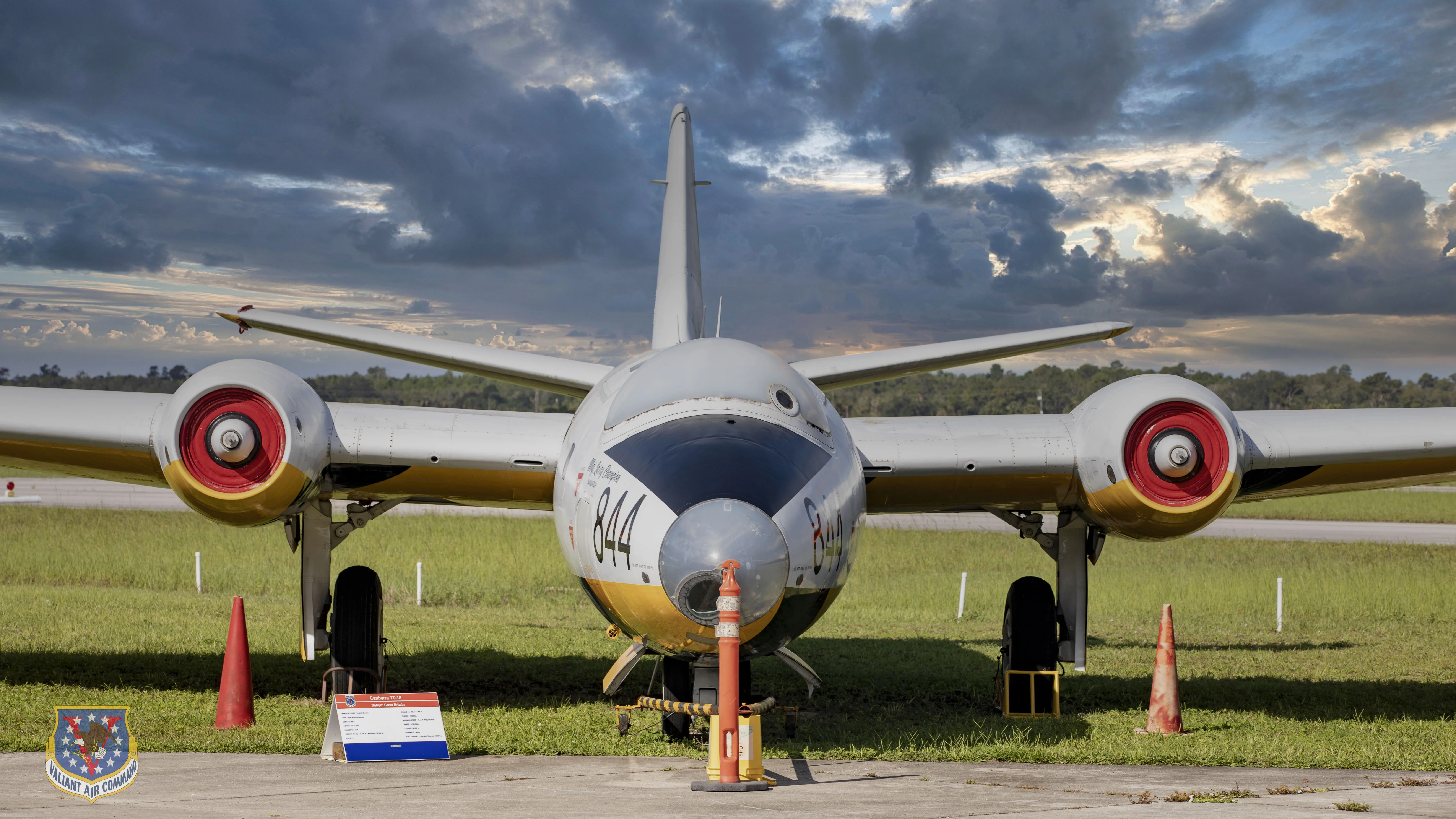
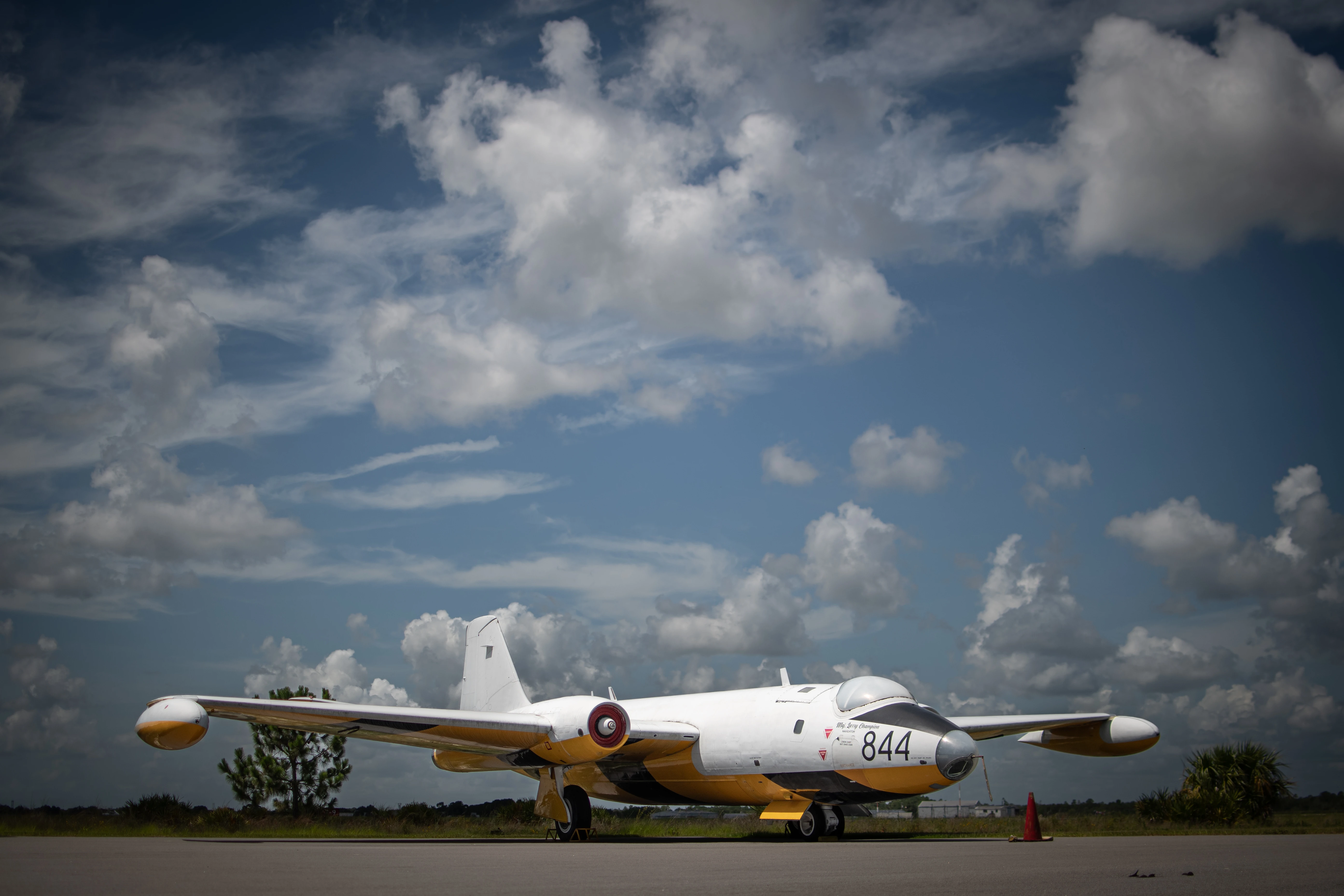
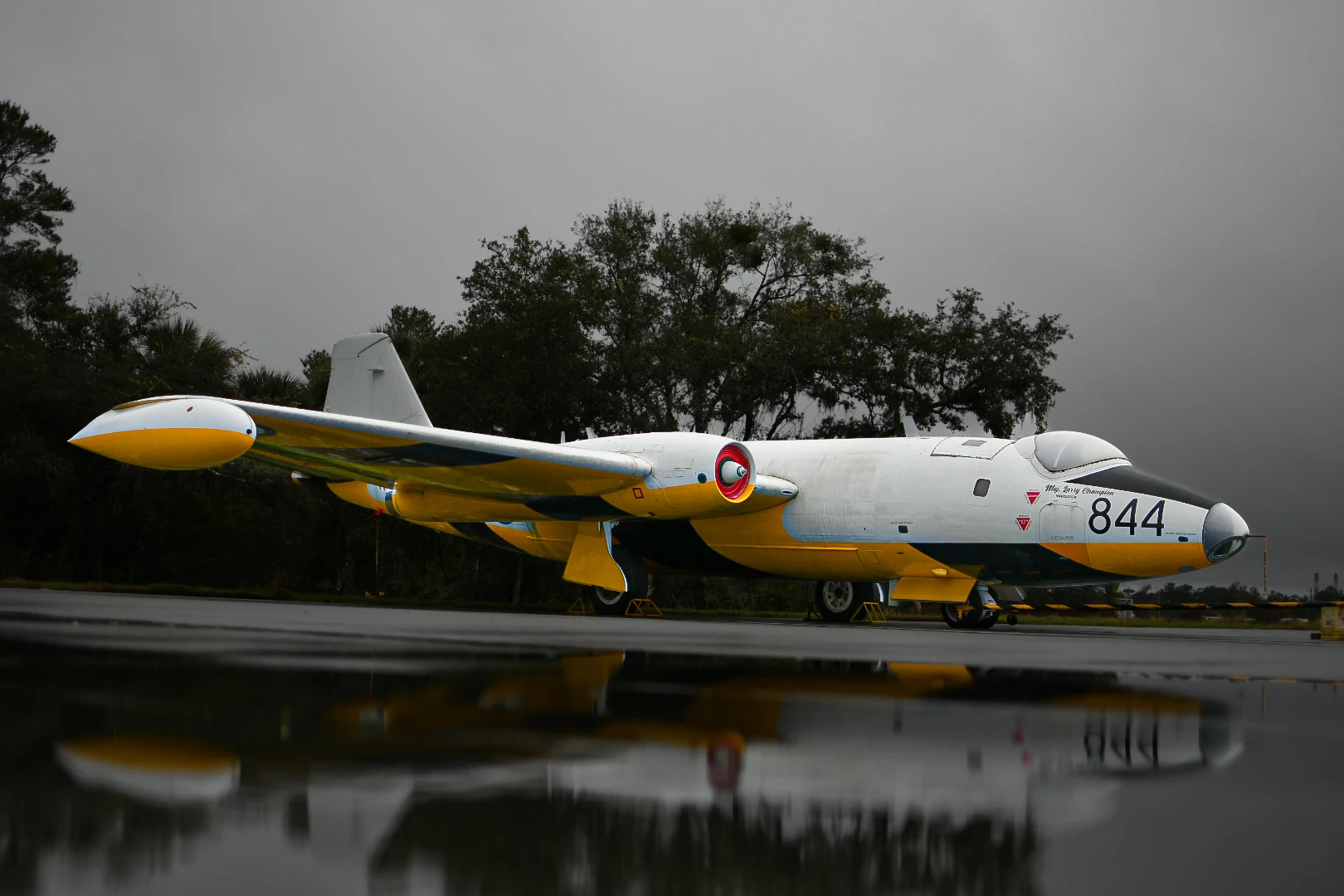
Designed to tow aerial targets for naval aircraft and weapons training, WJ574 was transferred to the Royal Navy in October 1974. It arrived at RNAS Yeovilton to serve with the Fleet Requirements and Air Direction Unit (FRADU). It was assigned the fleet number 844—the identity it proudly wears today.
The Florida Connection
WJ574’s first connection to Florida actually occurred decades before it became a museum piece. On October 31, 1978, WJ574 deployed to Naval Air Station Key West, Florida, spending three months working with the United States Navy on weapons trials before returning to Britain.
By 1985, the Canberra was placed in long-term storage, seemingly at the end of its lifespan. Remarkably, in February 1991, the veteran aircraft was resurrected and returned to FRADU, flying operationally nearly four decades after it was built. Its Royal Navy service finally concluded in November 1992.
Crossing the Atlantic and Hurricane Katrina
Purchased by an American warbird owner in 1994 and registered as N77844, WJ574 departed Britain under its own power. It remained a fully functioning, airworthy aircraft on the U.S. airshow circuit throughout the 1990s and early 2000s, eventually relocating to Melbourne, Florida.
In 2005, tragedy struck during Hurricane Katrina. A nearby Jet Provost was blown into WJ574, severely damaging the Canberra's right wing and grounding it permanently. Left exposed to the elements for years and scheduled for a rapid cash auction in 2009, this Cold War survivor was at genuine risk of being lost forever.
Preserved at Valiant Air Command
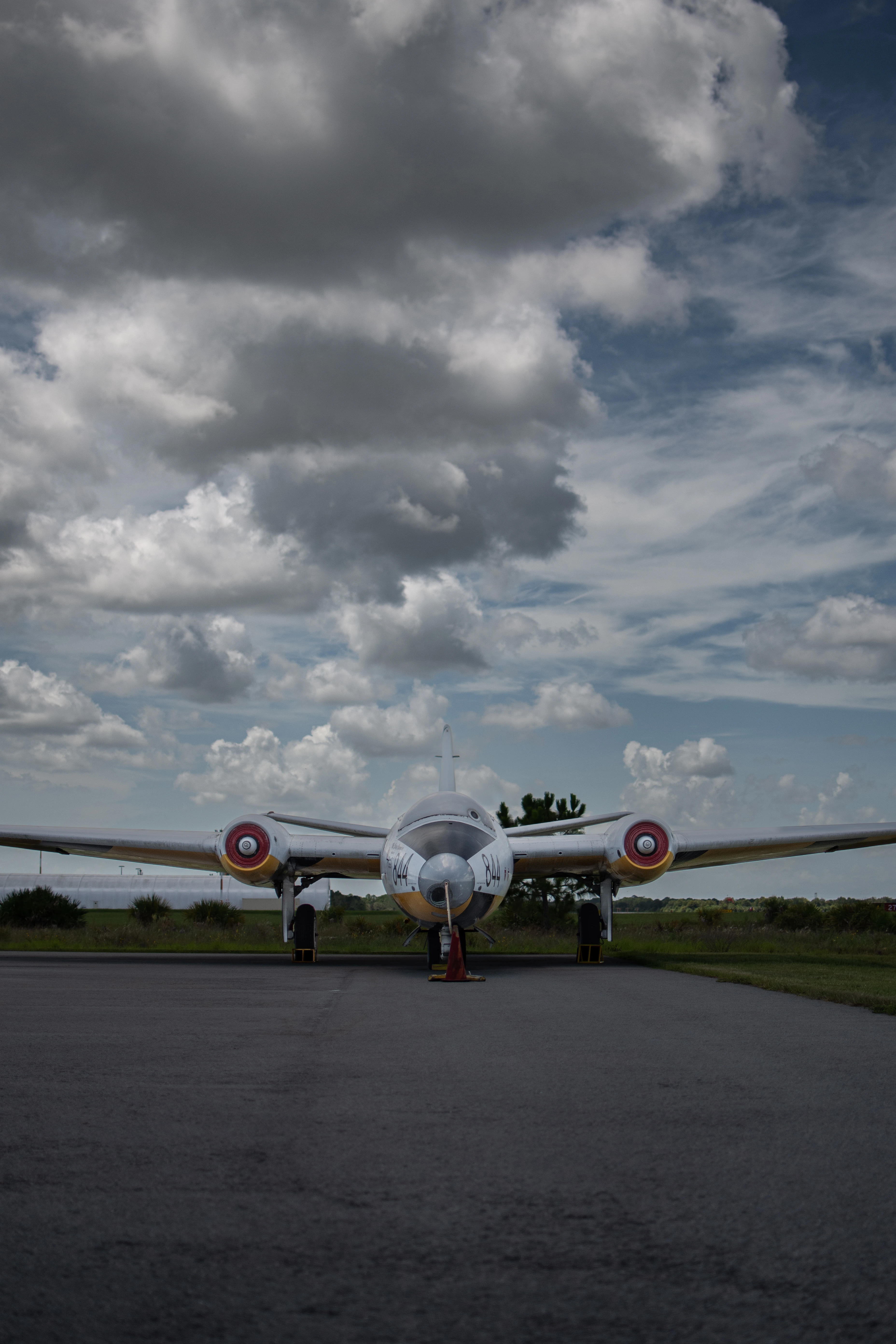
In 2011, Valiant Air Command acquired WJ574. Dismantled for transport, it arrived at the Space Coast Regional Airport in Titusville on February 22, 2012. After a dedicated restoration effort, the aircraft received a major exterior refurbishment in 2016, returning it to its historic Royal Navy FRADU colors as aircraft 844.
Today, WJ574 stands preserved at the Valiant Air Command Warbird Museum—a silent witness to the dawn of the Cold War and a testament to the endurance of classic aviation engineering.
TLDR; English Electric Canberra TT.18 — The Jet-Powered Target Tug
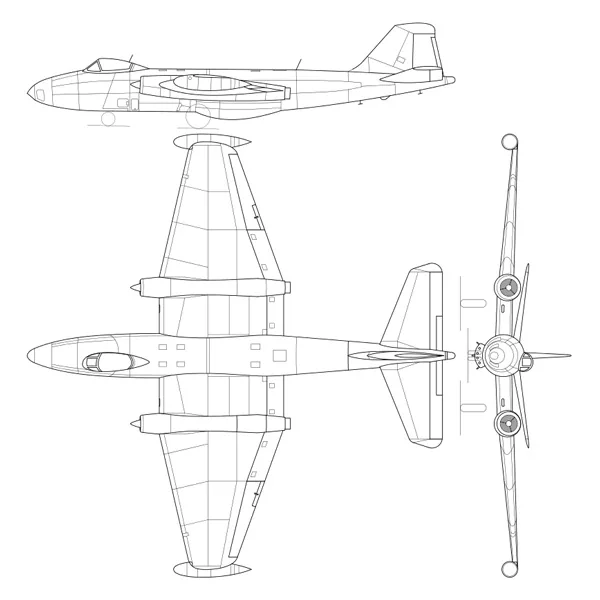
The English Electric Canberra TT.18 was a specialized target-towing version of Britain’s highly successful Canberra jet bomber. A total of 22 retired Canberra B.2s were converted to TT.18 standard, fitted with underwing winches that allowed them to tow aerial targets thousands of feet behind the aircraft for fighter, anti-aircraft, and missile training.
Serving with both the Royal Air Force and Royal Navy, the TT.18 helped train aircrews and weapons operators by providing realistic airborne targets without sacrificing an aircraft. Valiant Air Command’s own WJ574 began life as a Canberra B.2 in 1953 before later being converted to TT.18 configuration and serving with the Royal Navy’s Fleet Requirements and Air Direction Unit. It even deployed to NAS Key West in 1978 before eventually making its way back to Florida as part of the VAC collection.