top of page

Meet the Boeing Stearman N2S-3
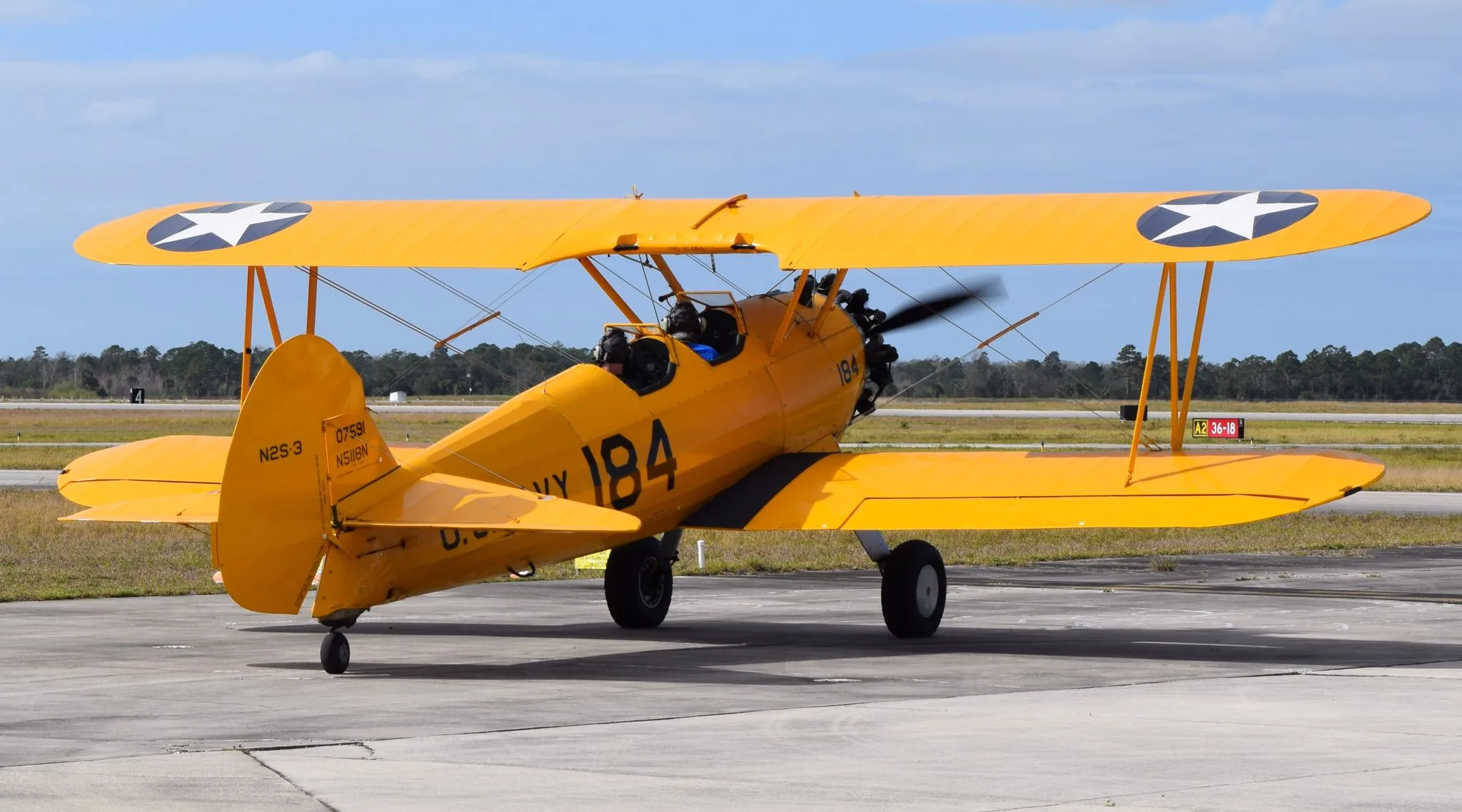
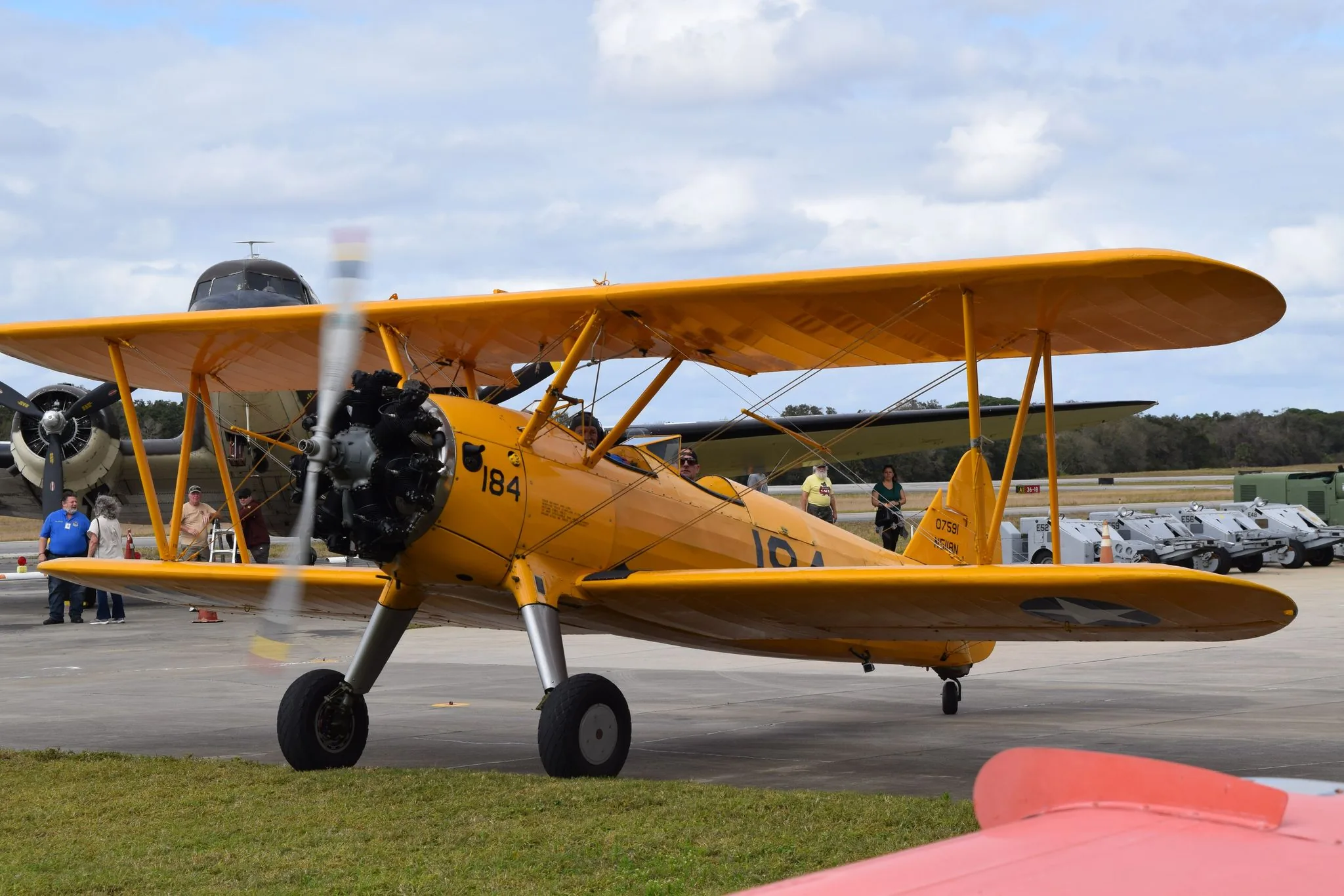
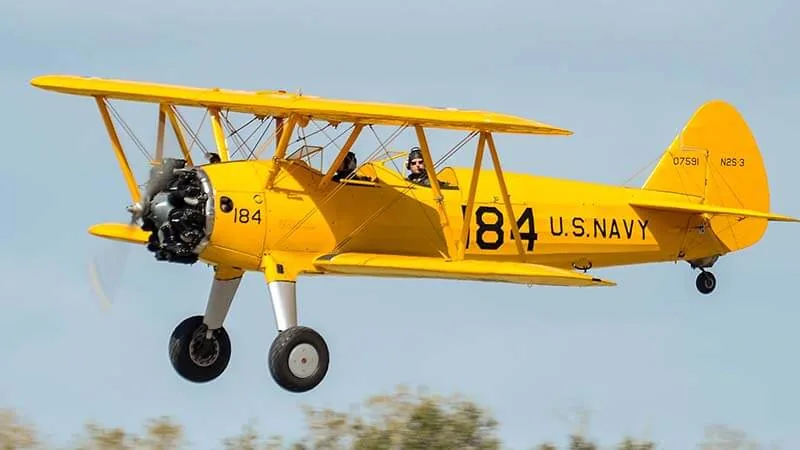
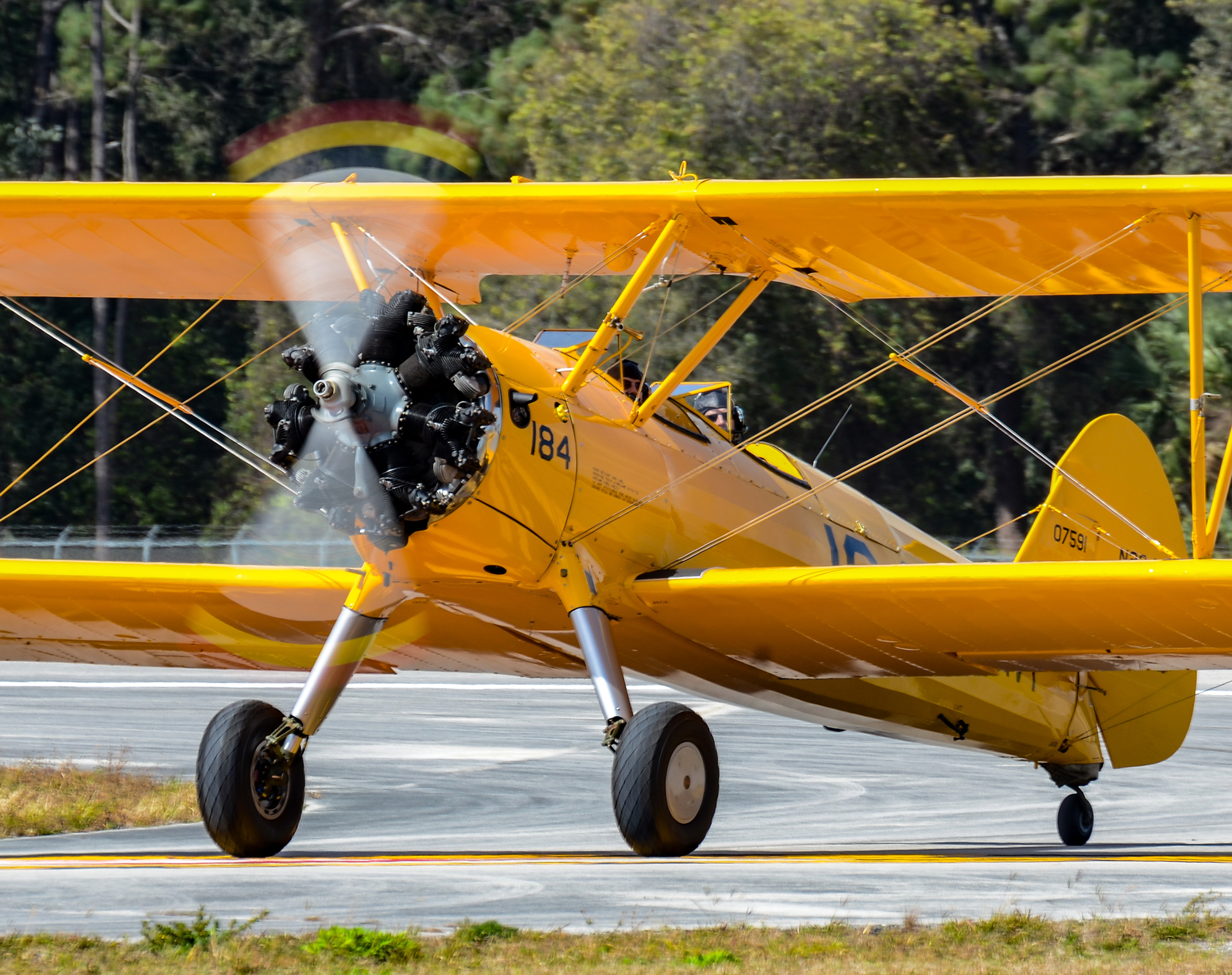
BUNO - 07591
History
Boeing Stearman N2S-3 - Serial
A World War II Naval Aviator Trainer
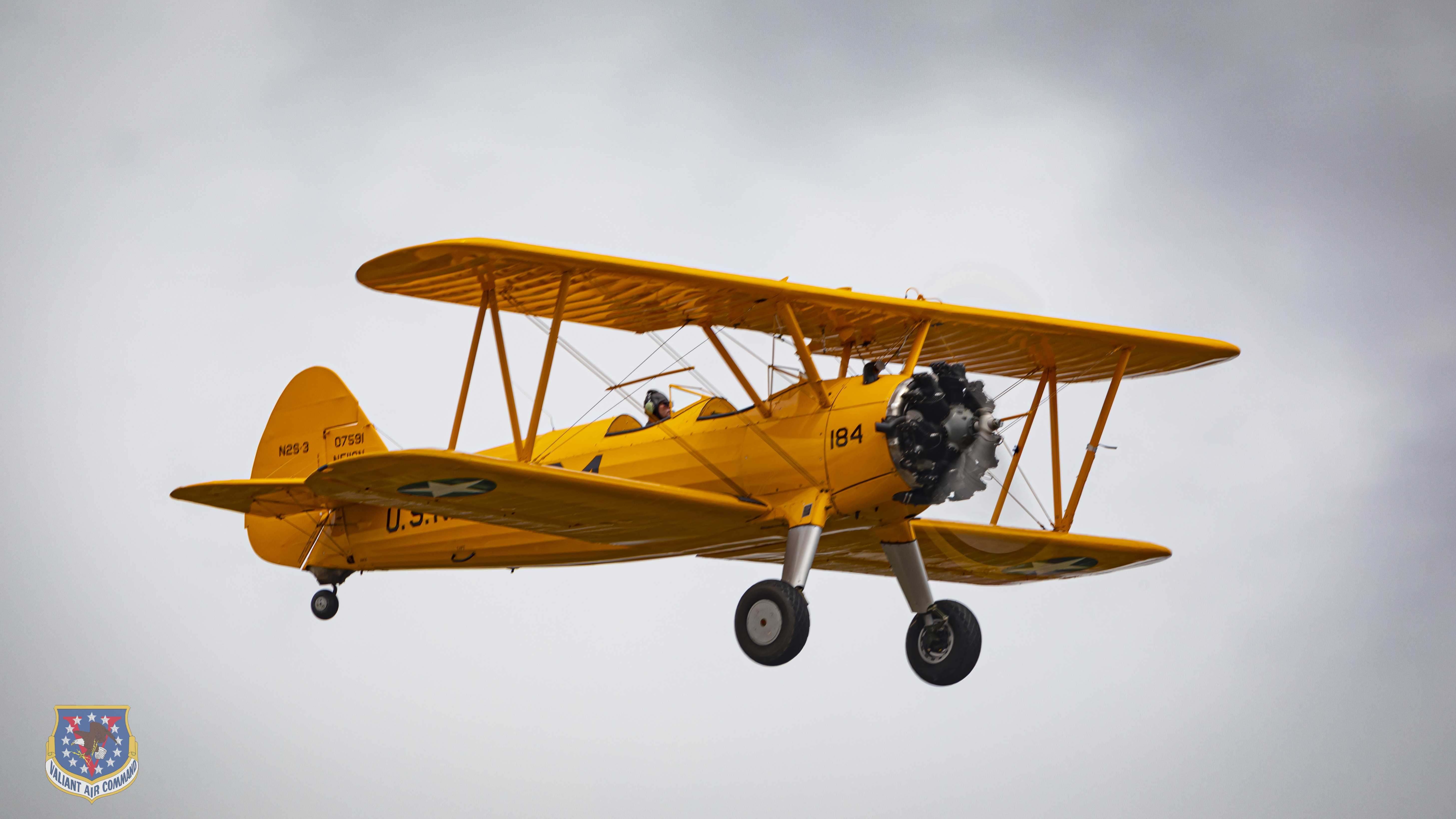
Valiant Air Command’s Resident Boeing Stearman N2S-3, U.S. Navy Bureau Number 07591, was built by the Boeing Airplane Company at Wichita, Kansas, and accepted by the United States Navy on February 2, 1943.
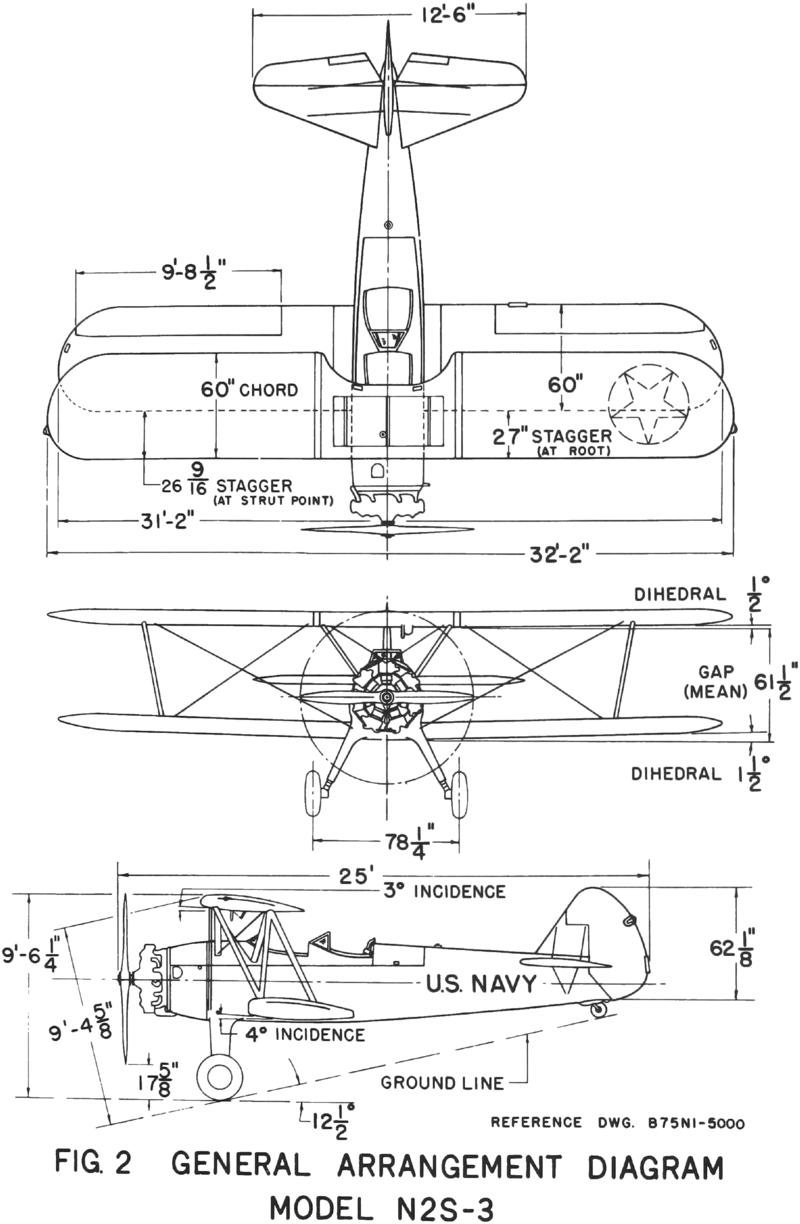
The N2S was the U.S. Navy version of the famous Stearman Model 75 primary trainer. During World War II, aircraft like 07591 were used to give thousands of future naval aviators their first experience flying a military aircraft. Known informally as the “Yellow Peril” because of the bright yellow paint commonly applied to Navy trainers, the Stearman was rugged, forgiving, and ideal for teaching basic flying, aerobatics, takeoffs, landings, and formation work.
Beginning Navy Service — February 1943
On February 4, 1943, the Navy formally took delivery of 07591 at Boeing’s Wichita facility. Initial orders called for the aircraft to be assigned to Naval Air Station Dallas, Texas, within the Eighth Naval District and Naval Air Primary Training organization. Those orders were subsequently cancelled.
The following day, February 5, 1943, the aircraft was instead assigned to Naval Air Station Memphis at Millington, Tennessee, another important Naval Air Primary Training facility.
07591 arrived at NAS Memphis on February 8, 1943, beginning its operational career training Navy pilots during the rapid wartime expansion of the U.S. naval aviation program.
NAS Bunker Hill, Indiana — 1943–1944
On September 10, 1943, 07591 was transferred to Naval Air Station Bunker Hill, near Peru, Indiana.
NAS Bunker Hill was part of the Navy's enormous wartime pilot-training system, and the Stearman would have been used for primary flight instruction—giving aviation cadets the fundamental skills they needed before advancing to more powerful training aircraft.
On February 10, 1944, 07591 was temporarily removed from active Naval Air Primary Training service and placed in the NAS Bunker Hill aircraft pool, essentially putting the airplane into storage.
Its retirement was short-lived.
On March 27, 1944, the aircraft was transferred to the Assembly and Repair Depot at NAS Bunker Hill to be reconditioned.
After the work was completed, 07591 was returned to active service on April 9, 1944, once again supporting the training of wartime naval aviators.
Corpus Christi, Texas — 1944
On October 18, 1944, 07591 received another assignment, this time to Naval Auxiliary Air Station Cabaniss, near Corpus Christi, Texas.
NAAS Cabaniss operated as an auxiliary field supporting Naval Air Station Corpus Christi, one of the largest naval aviation training complexes in the United States during World War II.
The aircraft continued supporting the Naval Air Primary Training mission there until November 28, 1944, when it was again removed from active status and transferred to the Cabaniss aircraft pool for storage.
Back to Active Duty — 1945
The war was approaching its final months, but the Navy still required trained aviators.
On June 28, 1945, 07591 was taken out of storage and reinstated to active Naval Air Primary Training service at NAAS Cabaniss.
The aircraft therefore remained in active Navy inventory through the closing weeks of World War II and into the immediate postwar period.
End of Navy Service — 1946
With World War II over, the United States possessed enormous quantities of military aircraft that were no longer required.
On August 31, 1946, Boeing Stearman N2S-3 BuNo 07591 was formally stricken from U.S. Navy records at NAAS Cabaniss.
The aircraft was then transferred to the War Assets Administration (WAA).
The WAA had been created by the U.S. government to dispose of the huge quantities of surplus aircraft, vehicles, equipment, supplies, and other military property left after World War II.
For many Stearmans, this began an entirely new life in civilian aviation. Surplus aircraft were sold inexpensively and became crop dusters, airshow aircraft, flight trainers, and privately owned sport aircraft. This postwar civilian career is one of the reasons so many Stearmans survived into the modern era.
Service Timeline
-
February 2, 1943 — Accepted by the U.S. Navy at Boeing's Wichita plant as N2S-3 BuNo 07591.
-
February 4, 1943 — Navy takes delivery; initially ordered to NAS Dallas, but the assignment is cancelled.
-
February 5, 1943 — Assigned to NAS Memphis, Millington, Tennessee.
-
February 8, 1943 — Arrives at NAS Memphis.
-
September 10, 1943 — Assigned to NAS Bunker Hill, Indiana.
-
February 10, 1944 — Removed from active training service and placed in storage at Bunker Hill.
-
March 27, 1944 — Sent to the Bunker Hill Assembly & Repair Depot for reconditioning.
-
April 9, 1944 — Returned to active training service.
-
October 18, 1944 — Assigned to NAAS Cabaniss, Corpus Christi, Texas.
-
November 28, 1944 — Removed from active service and placed in the Cabaniss storage pool.
-
June 28, 1945 — Returned to active Navy training service.
-
August 31, 1946 — Stricken from U.S. Navy records and transferred to the War Assets Administration.
TLDR; Boeing Stearman N2S — The Navy’s Primary Trainer
The Boeing Stearman N2S was the U.S. Navy version of the famous Model 75 biplane trainer used during World War II. Rugged, simple, and forgiving to fly, it was used to teach thousands of future naval aviators the fundamentals of military flying, including takeoffs, landings, aerobatics, formation flying, and basic navigation.
Often nicknamed the “Yellow Peril” because of the bright yellow paint used on many Navy trainers, the N2S became one of the most recognizable training aircraft of the war. After World War II, large numbers were sold as surplus and went on to long civilian careers as crop dusters, airshow aircraft, and private warbirds.
Gallery


bottom of page